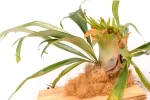
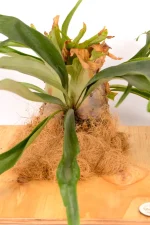
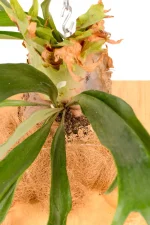
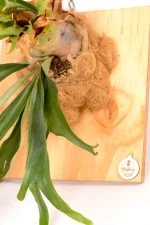
Botanical name: Platycerium Wallinckii
Commonly known as: Java Staghorn Fern
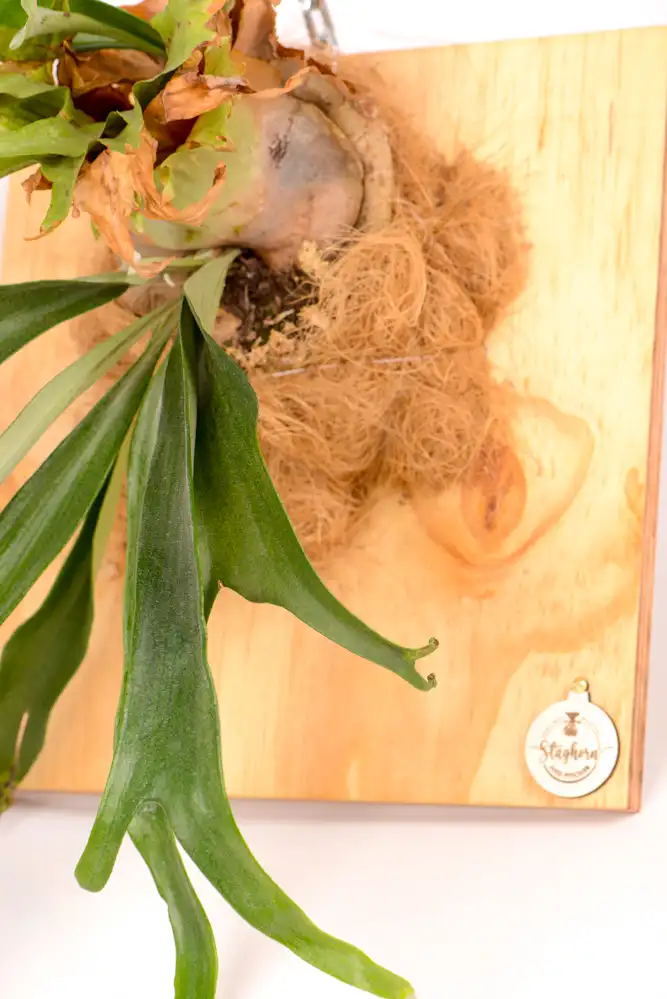
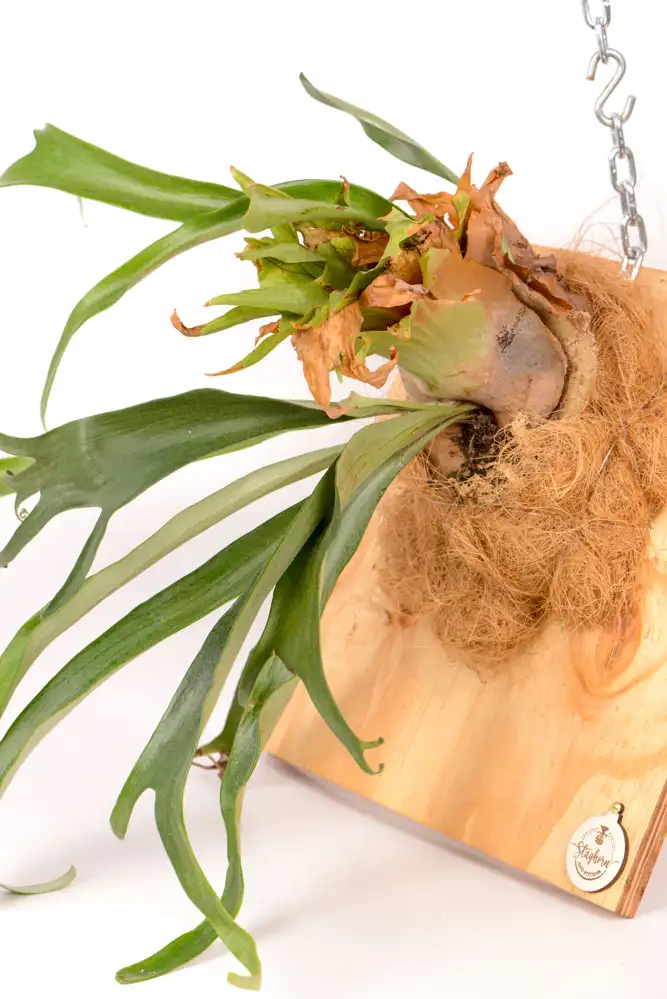
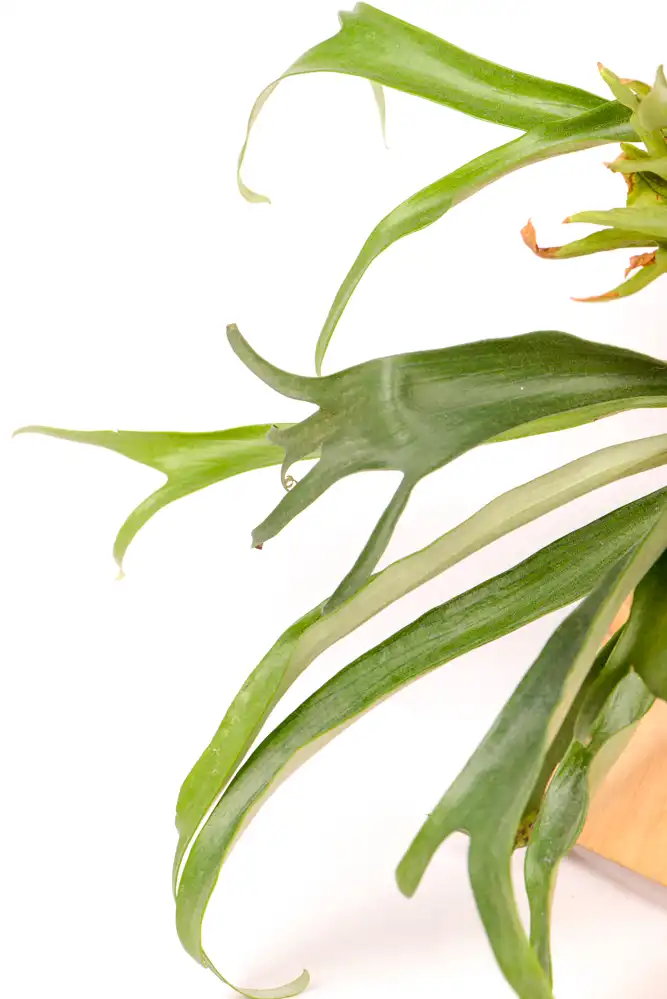
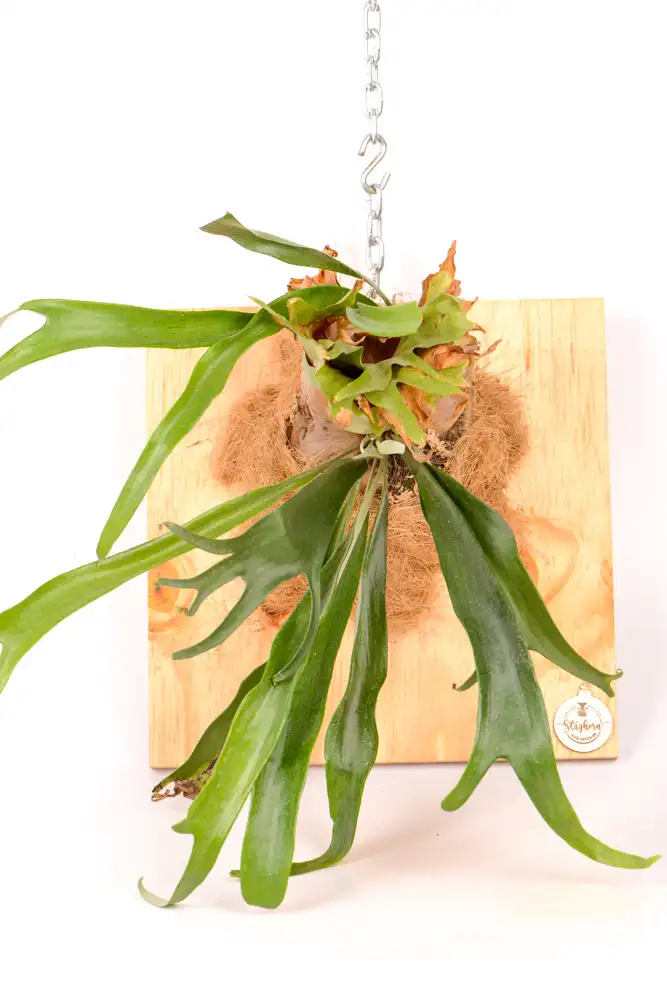
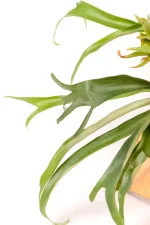
Platycerium willinckii is a particularly beautiful Staghorn species, with long, slender fertile fronds that repeatedly fork towards their ends and gradually develop an impressive cascading shape.
The foliage often has a distinctive silvery appearance, created by a covering of tiny star-shaped hairs known as trichomes. These aren’t dust and shouldn’t be rubbed or scrubbed from the fronds. They’re a natural part of the plant and help protect its foliage.
Platycerium Willinckii naturally grows attached to trees rather than rooted into soil. Its native range also explains why it appreciates bright filtered light, good airflow and warm but relatively moderate temperatures rather than extreme heat.
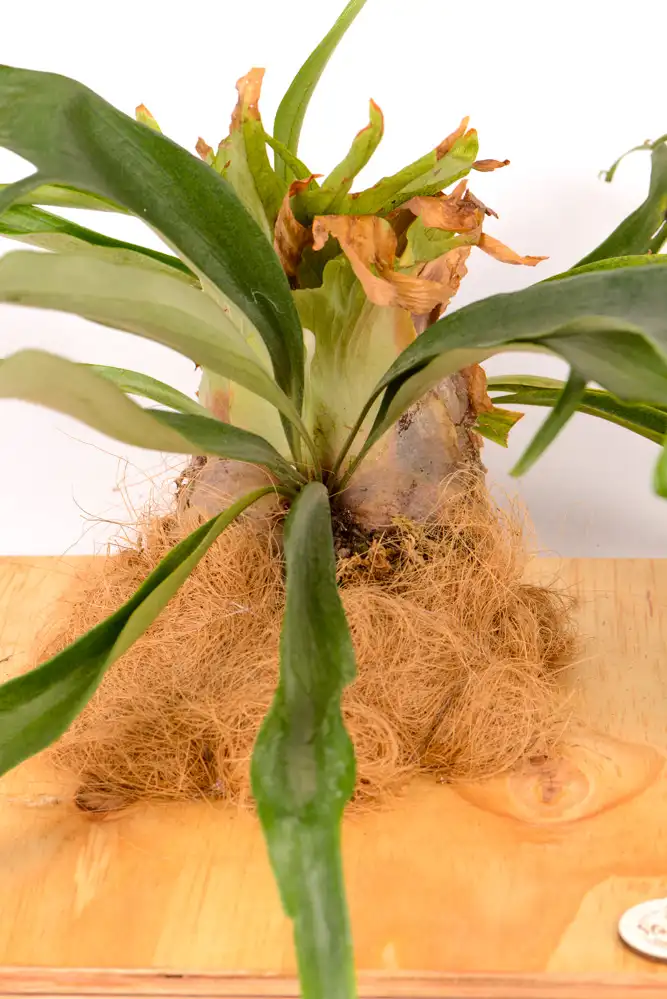
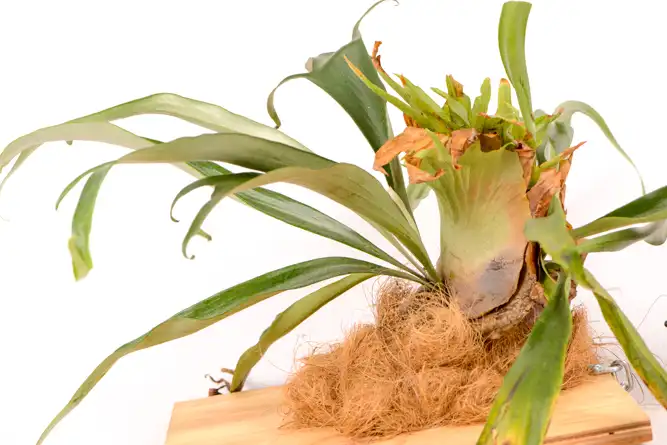
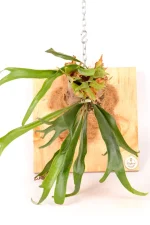
Our plants are already established on 40×40cm wooden boards, so there’s no potting required. Hang the board vertically in a bright position and allow the fronds plenty of room to develop naturally.
You’ll notice two completely different types of fronds as the plant grows.
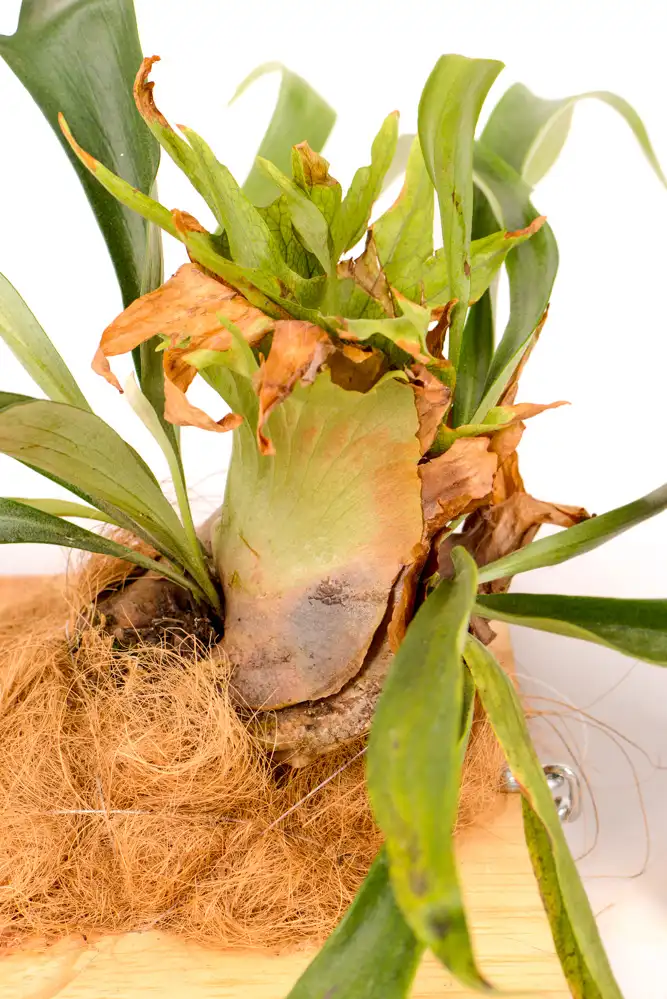
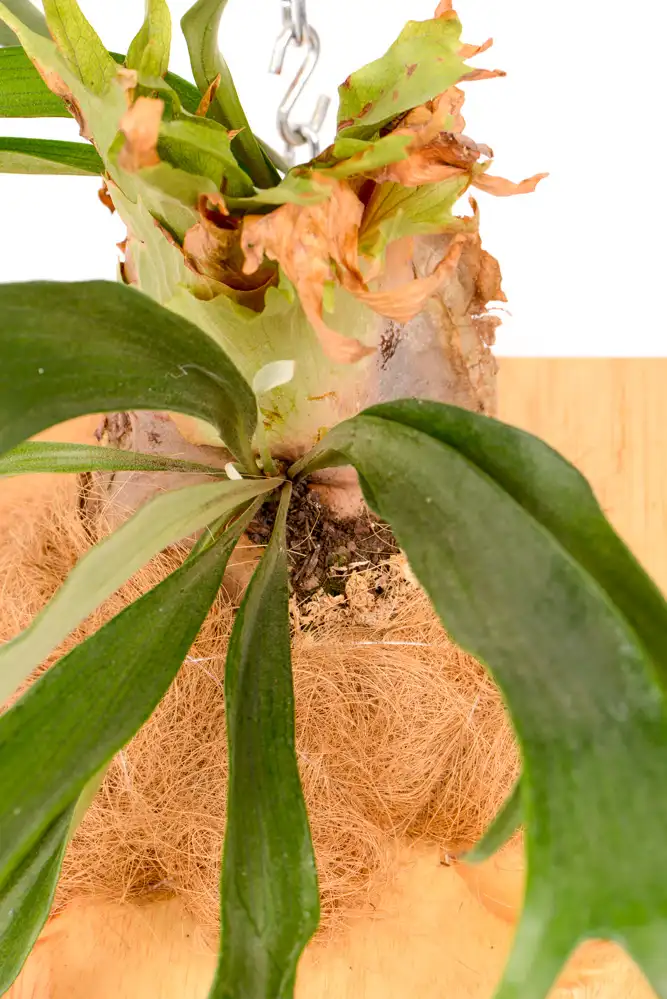
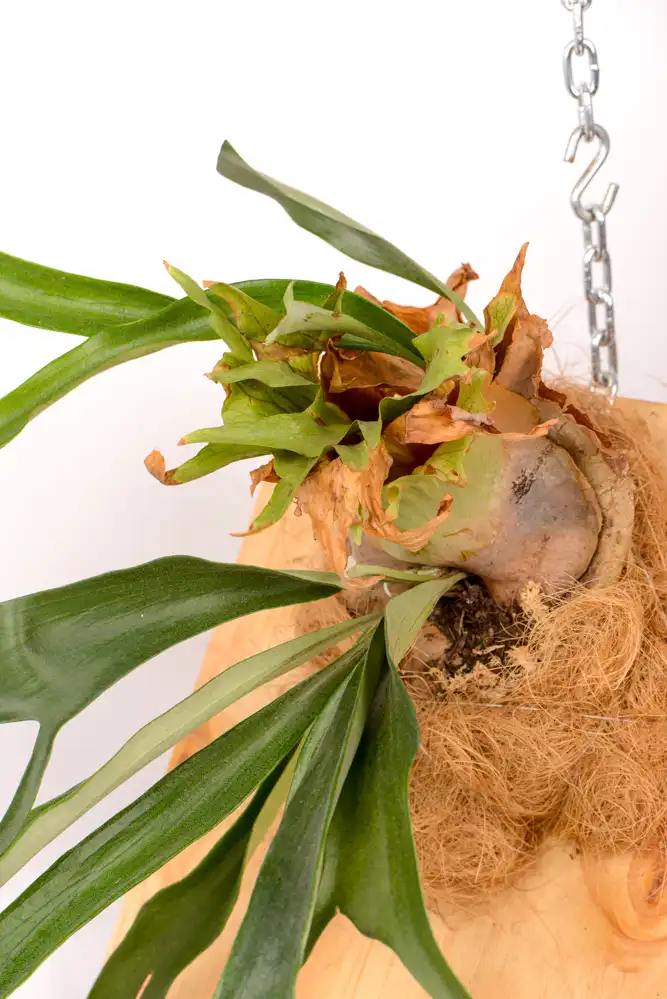
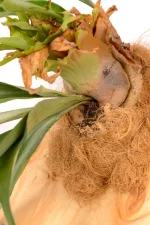
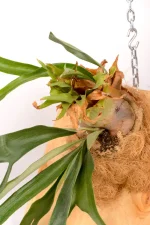
The long, forked fertile fronds of a Platycerium Wallinckii are the foliage that eventually carries spores. The rounded shield fronds grow against the mounting surface, protecting the roots and helping the plant collect moisture and organic matter.
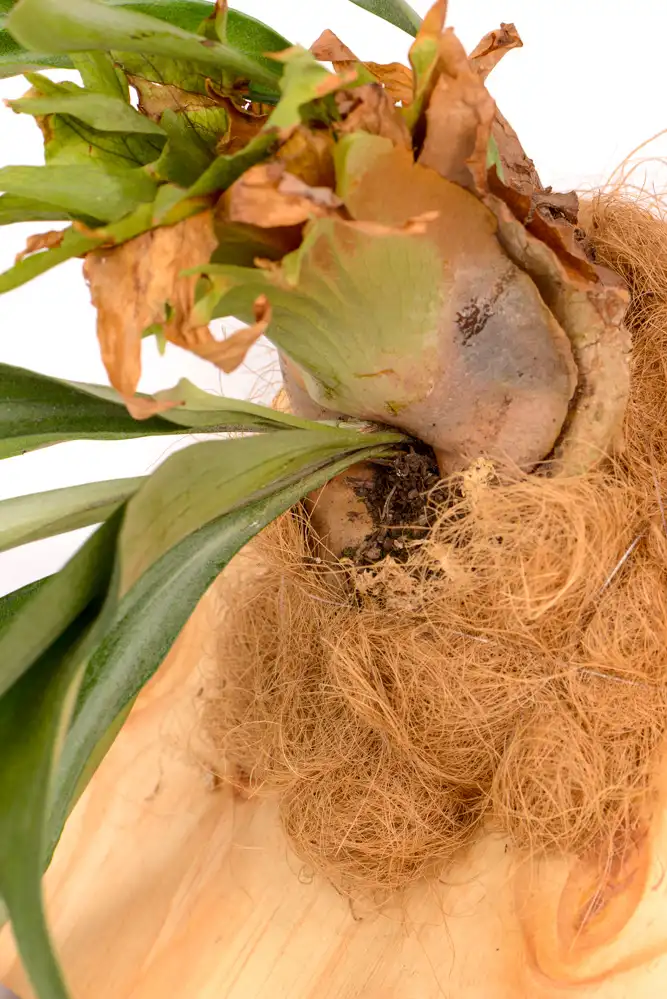
Those shield fronds naturally turn brown and papery as they mature. Don’t remove them. They aren’t dead foliage that needs cleaning away – they’re an important part of the plant.
Platycerium Willinckii is also a multi-bud species and can eventually produce additional growth points or pups as an established specimen develops.
Platycerium Wallinckii Care Guide

Water – How do I water a mounted Platycerium Willinckii?
The easiest method is to thoroughly soak the moss and root ball behind the shield fronds, then allow it to drain completely.
Let the moss dry slightly before watering again. P. willinckii appreciates a slightly drier cycle rather than remaining continuously saturated. The specialist reference suggests roughly every 7–10 days in summer and 14–21 days in winter as a broad guide, but I wouldn’t treat that as a fixed schedule. Temperature, airflow and where you’ve hung the plant will make a considerable difference.
A very useful trick with mounted Staghorns is simply to feel the weight of the board. You’ll quickly learn how noticeably lighter the plant becomes when the moss is ready for another soak.

Light – Where should I hang my Platycerium Willinckii?
Give it bright, filtered natural light.
Think of the light filtering through a tree canopy – plenty of brightness without the plant baking in harsh afternoon sun. Gentle morning sun is excellent.
Good light also helps P. willinckii develop its characteristic silvery appearance and strong, finely forked fronds.
Avoid dark walls simply because the plant looks good hanging there. This is still a living fern and needs proper natural light.

Humidity – How much humidity does Willinckii need?
Moderate to higher humidity suits it very well. Around 50–70% humidity is considered particularly suitable for the species.
Just as importantly, give it good airflow.
Staghorns naturally grow exposed on trees with air moving around them. Warm, humid conditions combined with stagnant air and constantly wet moss are not a good combination.

Soil – Does my mounted Staghorn Fern need soil?
No. Don’t plant it in normal potting soil.
Staghorns are epiphytes. In nature, they grow attached to trees rather than with their roots buried in the ground.
Your plant is already mounted with growing material around its root system. As the shield fronds develop, they’ll gradually cover more of this area and secure themselves around the mount.

Feeding – How should I fertilise my Platycerium Willinckii?
Feed regularly during active growth, but don’t overdo it.
A diluted balanced soluble fertiliser can be applied around the root and moss area while watering. The specialist Willinckii reference recommends feeding every 2–3 weeks during active growth, reducing feeding considerably during winter when growth slows.
The aim is steady growth rather than forcing the plant with excessive fertiliser.
Please DO NOT give banana peels to your staghorns. This introduced unwanted bugs and mould/

Remounting – Will I eventually need to remount my Staghorn?
Over time, the shield fronds will spread across the board and the root mass will increase. P. willinckii is also a multi-bud species, so an established plant may eventually produce pups and develop into a larger colony.
The 40×40cm board gives it good room to establish. Remounting only becomes necessary much later if the plant genuinely outgrows its board or you want to move the entire colony onto a larger mount.

Pests – What should I watch for?
Scale and mealybugs are worth keeping an eye out for, particularly around the shield fronds and sheltered growth points.
Inspect the plant regularly, but don’t scrub or aggressively wipe the fertile fronds.
That silvery-white coating is made up of protective trichomes and forms naturally on P. willinckii. Rubbing the foliage can permanently remove them. The specialist guide also cautions against repeatedly washing over the fronds for this reason.

Temperature – What temperatures does Platycerium Willinckii prefer?
Interestingly, P. willinckii comes from mountainous tropical areas and prefers moderate warmth rather than extreme heat.
Around 18–26°C is considered ideal. The species doesn’t appreciate prolonged temperatures below roughly 12°C or extreme heat above 32°C.
During a cold South African winter months , keep mounted plants protected from frost and very cold outdoor conditions.
Extra Care – What are the brown shield fronds?
This is probably one of the most important things to understand with any Staghorn.
The rounded shield fronds initially emerge green and gradually turn brown and papery as they mature.
Leave them exactly where they are.
They protect the root system, help anchor the plant and form part of its natural growth structure. Removing them because they look brown can damage the plant.
Extra Care – Should I clean the silver coating from the leaves?
No.
The fine silver-white coating on P. willinckii is made up of stellate trichomes – tiny protective hairs that are a natural characteristic of the species. Willinckii is particularly well known for them.
Don’t polish the leaves, wipe them with a cloth or try to remove the coating. The more intact those trichomes remain, the better the characteristic silvery appearance of the plant.
FAQ’s
Q: Why are my Staghorn’s shield fronds turning brown?
That’s part of their natural development. Shield fronds mature from green to brown and papery. Don’t cut or peel them away.
Q: Why are the long fronds covered in a silvery-white layer?
Those are natural protective hairs called trichomes. They give P. willinckii much of its characteristic silver colouring and shouldn’t be wiped off.
Q: Will my Platycerium Willinckii produce pups?
It can. P. willinckii is a multi-bud species and established plants can develop additional growth points, gradually forming a larger colony.
Q: Can I grow it outdoors?
Yes, provided it has bright filtered light, protection from frost and extreme cold, and good airflow. Avoid harsh afternoon sun, particularly if the plant has been grown under protected conditions.
Q: Do I need to take my Staghorn off the board to water it?
No. You can soak or thoroughly wet the moss/root area while it remains mounted. Just allow the board to drain properly afterwards.
Q: Is Platycerium Willinckii pet safe?
Platycerium ferns are generally regarded as non-toxic to cats and dogs.
Be sure to visit and follow us Facebook and Instagram