




Dieffenbachia Alex

R400.00

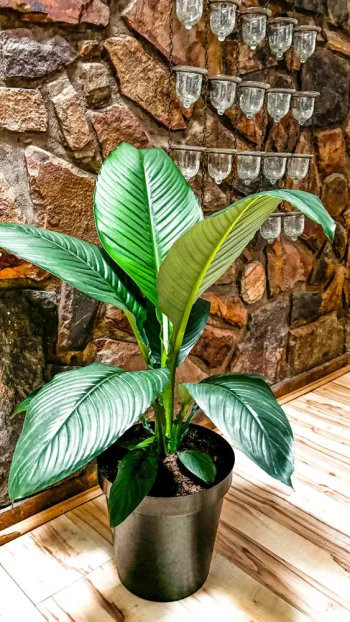
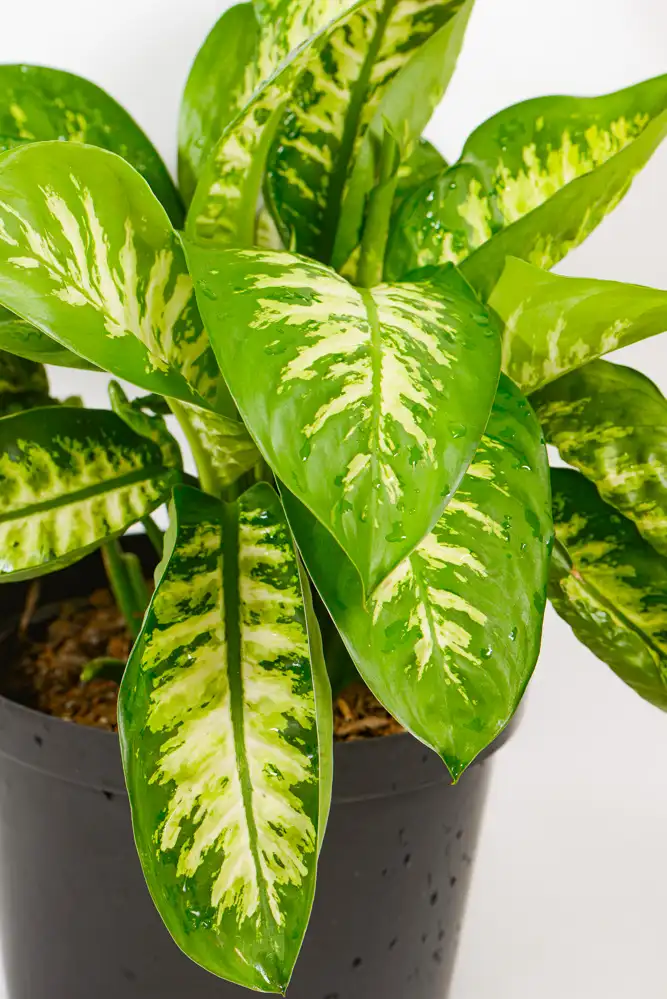
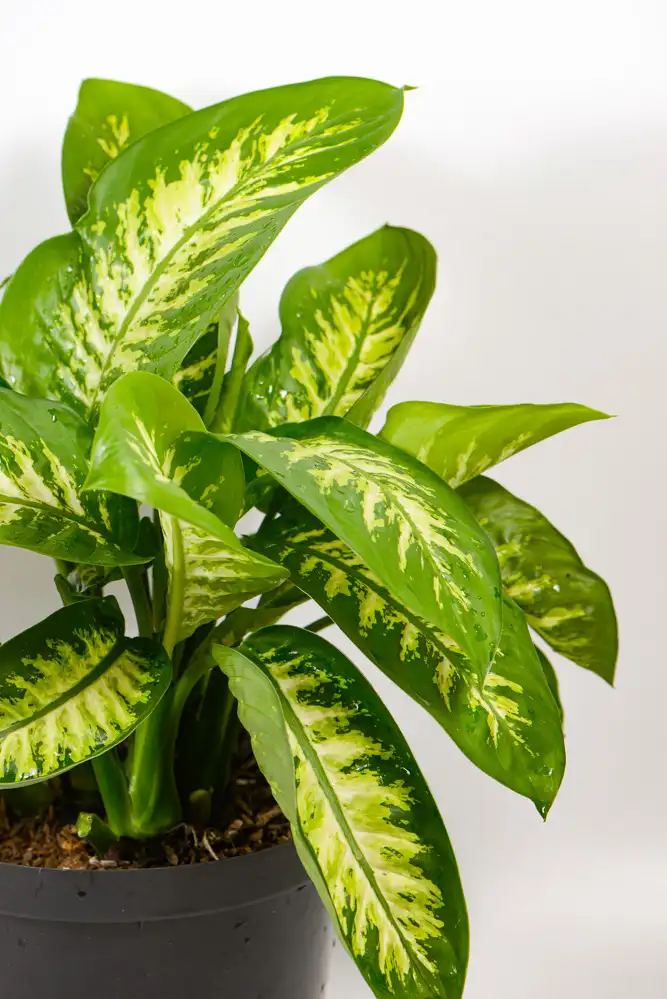
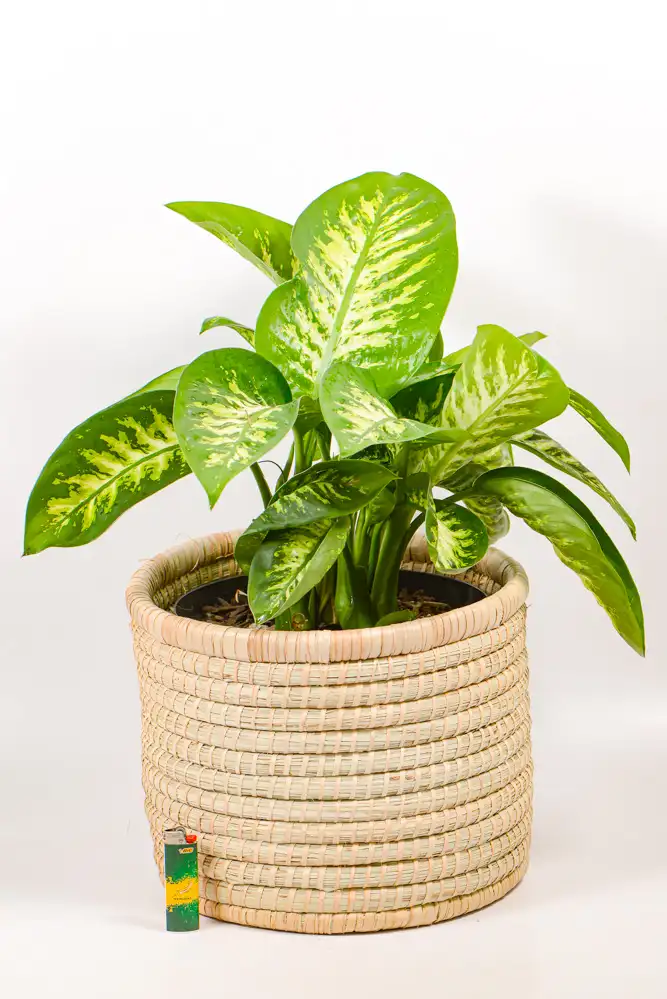
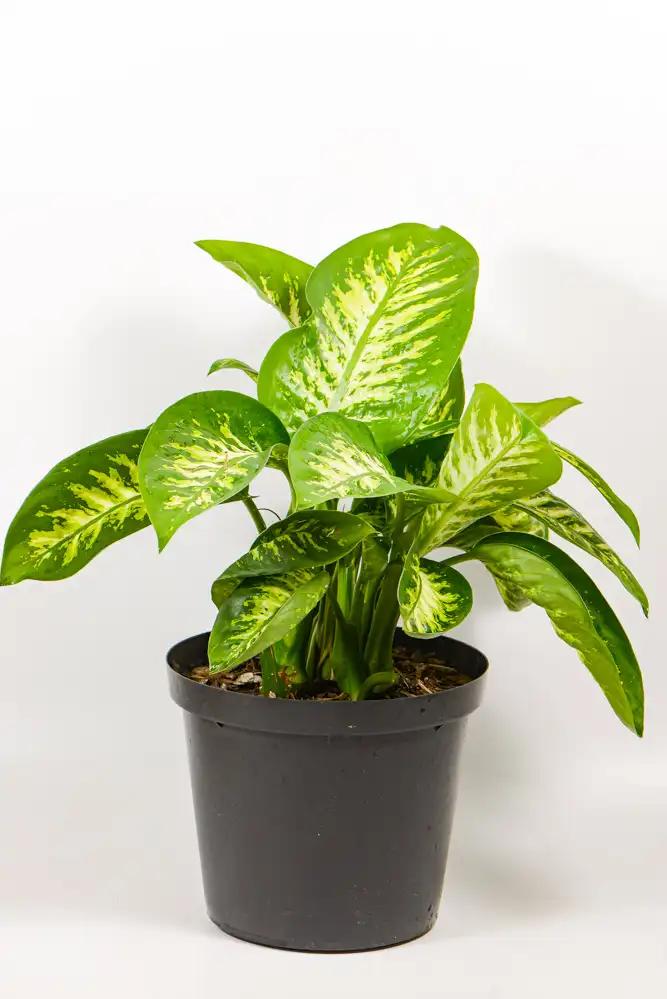
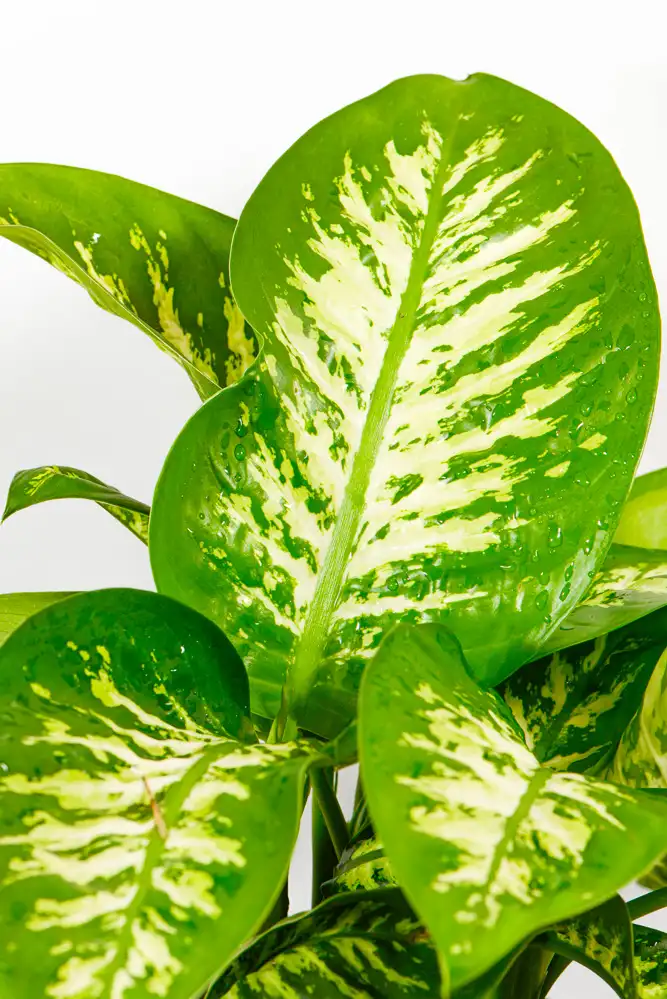
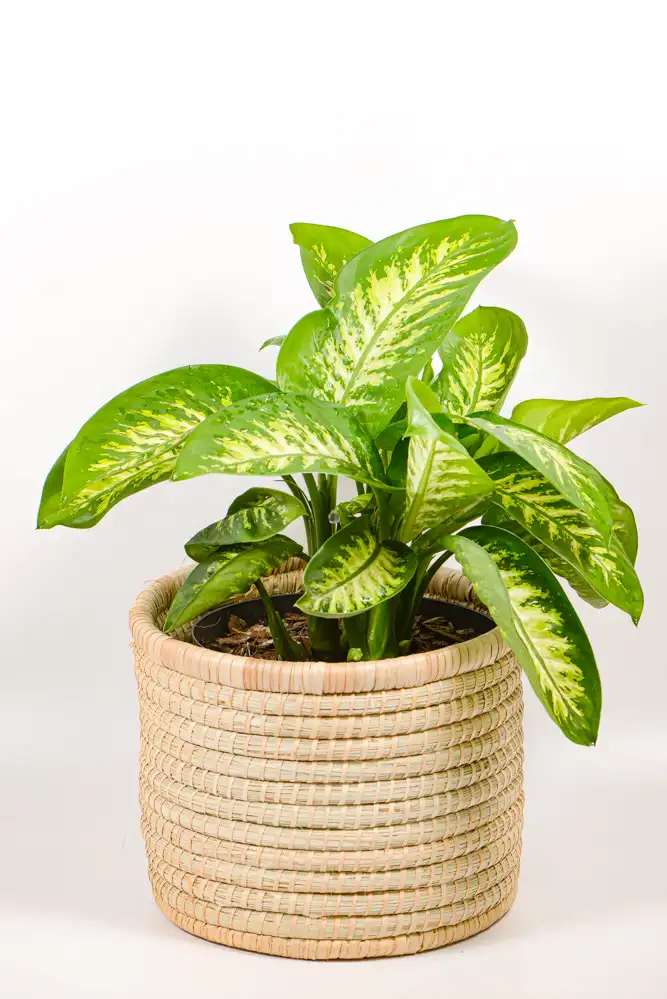
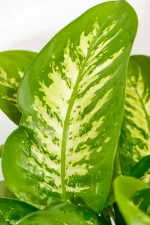
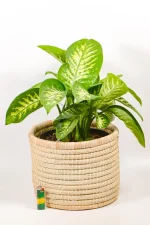
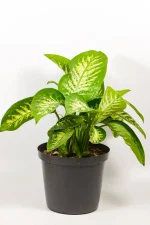
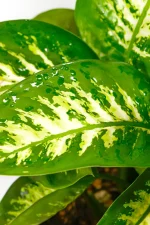
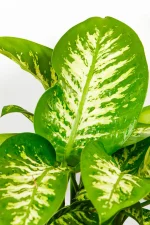
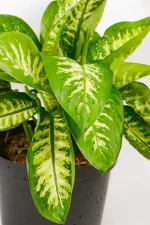
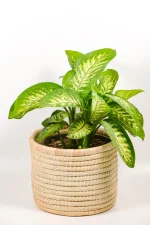
Dieffenbachia ‘Alex’ is a large indoor foliage plant with broad green leaves and creamy central variegation. Supplied in a 25cm pot, it forms a strong upright plant that adds structure and presence to indoor spaces. It grows best in bright, indirect light with consistent watering and stable conditions. A reliable foliage plant suited to homes and offices where bold leaf shape is desired

Only 1 left in stock
Add to Cart
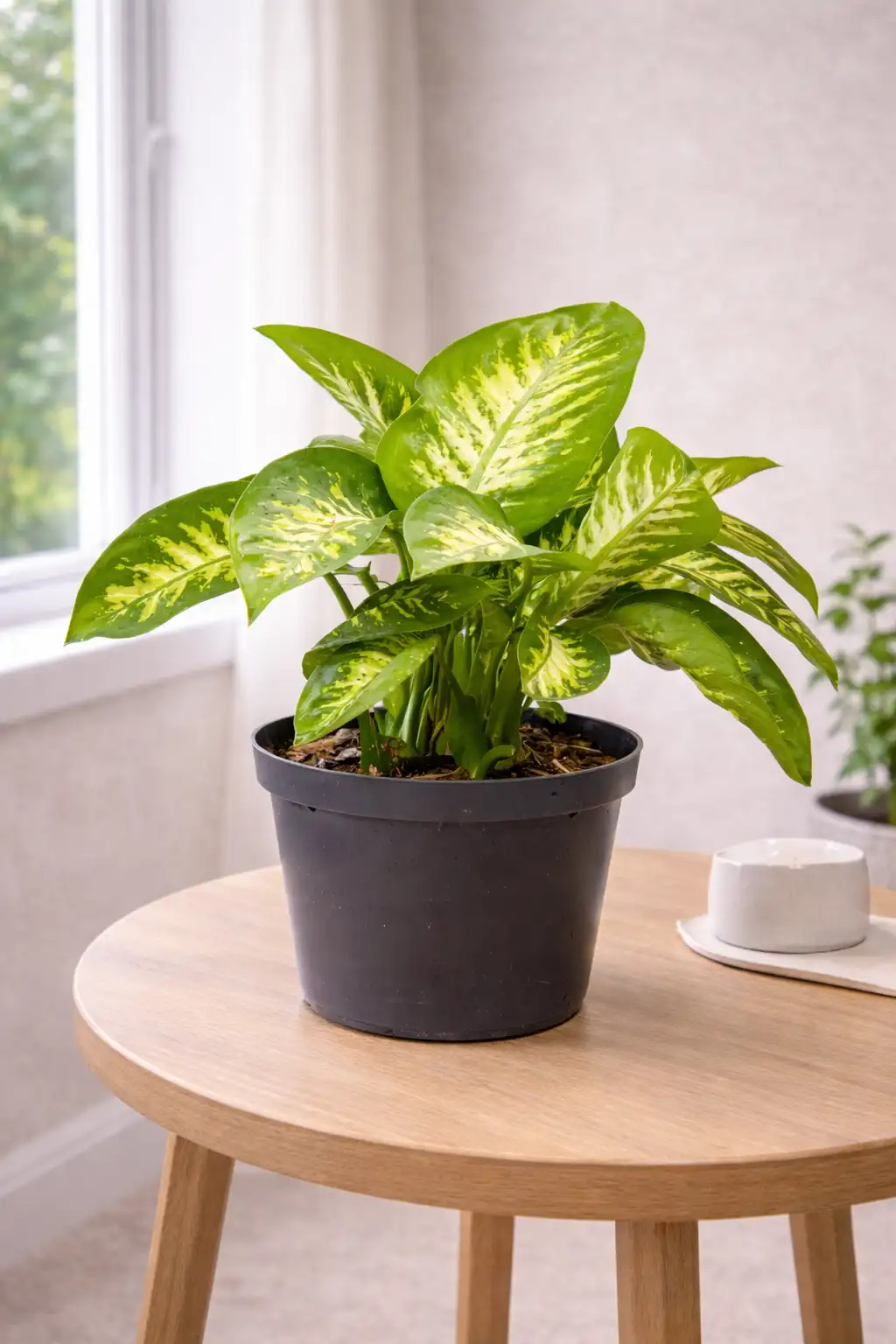
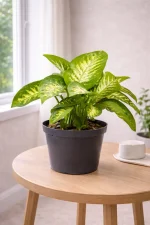
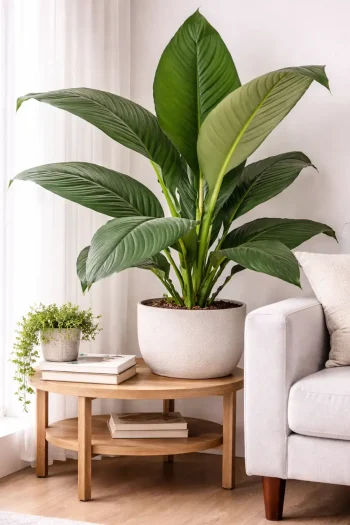
Diffenbachia Alex on a site table close to bright window
Dieffenbachia Alex
R400.00
Only 1 items left in stock!
Diffenbachia Alex on a site table close to bright window
Dieffenbachia Alex
R400.00
Questions? Send it to us!
Name

Botanical name: Dieffenbachia Alex

Commonly known as: Dieffenbachia Dumb Cane

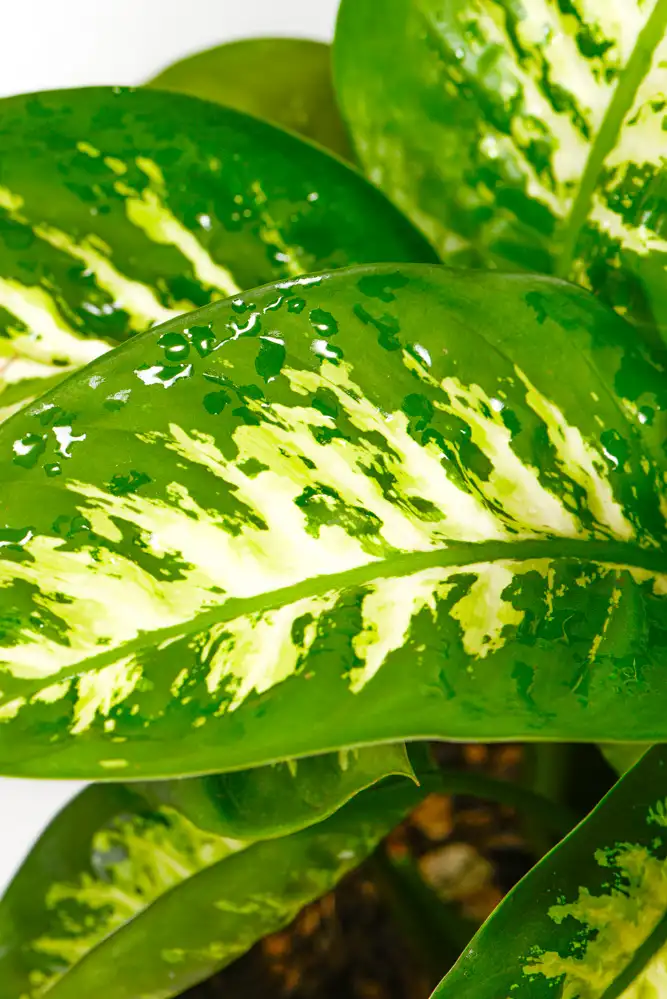
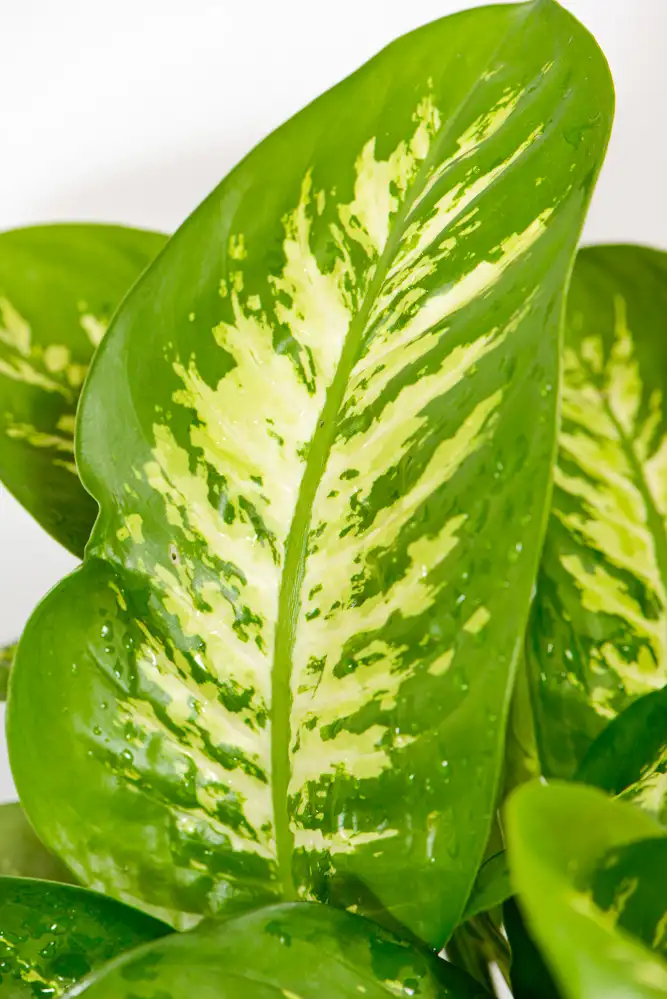
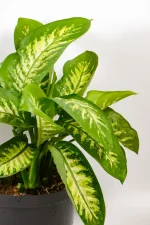
Dieffenbachia Alex brings scale and visual weight into an indoor space. The plant produces large, elongated leaves with deep green margins and a creamy, patterned centre. This contrast creates a bold but balanced look that works well in modern and classic interiors alike.

In a 25cm pot these plants already shows a substantial size and upright growth habit. Thick central stems support the foliage and help the plant maintain a tidy, structured shape as it grows. Because the leaves emerge steadily from the centre, the plant keeps a full appearance without needing frequent shaping or pruning.

A dumb cane responds well to consistency. Stable light, even watering, and an airy growing mix support healthy leaf development. Over time, the plant continues to size up gradually, making it a dependable indoor foliage plant rather than a fast, unruly grower.

Dieffenbachia Alex Care Guide

Water logo

Watering – How often should it be watered?

Water when the top 3–5 cm of the mix has dried out. Dieffenbachia prefers evenly moist soil but reacts poorly to waterlogged roots. Therefore, always allow excess water to drain freely.

Light logo

Light – What light does Dieffenbachia ‘Alex’ need?

Bright, indirect light works best. Good light helps maintain leaf size and clear variegation. However, harsh direct sun can scorch leaves, while low light may slow growth and reduce pattern contrast.

Humidity logo

Humidity – Does it need extra humidity?

Average indoor humidity is usually sufficient. In very dry spaces, slightly higher humidity can help prevent leaf edge browning, but airflow remains important.

Soil Logo

Soil – What soil works best?

Use a free-draining, airy mix that supports healthy roots. Aroid Mix works well. Alternatively, use Indoor Potting Soil as a base and improve structure with Perlite and Bark Chips.

Fertilizing logo

Feeding – How should it be fertilised?

Feed during spring and summer with Grobest Organic Fertiliser every 4–6 weeks. For stronger growth during peak season, Novatec Soluble Fertiliser can be used occasionally at a reduced strength.

Repotting logi

Repotting – When should it be repotted?

Repot every 18–24 months, or once roots begin filling the pot. Move up one pot size only. At repotting time, incorporate TerraPlus Natura N and Controlled Release Fertiliser into the fresh mix.

Pest image

Pests – What pests should I watch for?

Check leaves and stems for mealybugs, spider mites, and thrips. Early treatment with an insecticidal spray helps prevent infestations from spreading.

Temerature image

Temperature – What temperature suits it best?

Dieffenbachia ‘Alex’ grows best between 18°C and 28°C. Avoid cold drafts and temperatures below 14°C, as sudden drops can cause leaf damage.

FAQ’s

Q: Can Dieffenbachia ‘Alex’ be used as a floor plant?
Yes. In a 25cm pot, it works well as a floor or low-stand plant in bright indoor areas.

Q: Why are lower leaves turning yellow?
This usually relates to inconsistent watering or insufficient light.

Q: Does it need pruning?
Only remove damaged or aging leaves. Regular pruning is not required.

Q: Is Dieffenbachia ‘Alex’ pet-safe?
No. Dieffenbachia is toxic if ingested and should be kept out of reach of pets and children.

Be sure to visit and follow us Facebook and Instagram