





Philodendron Glorious

R450.00

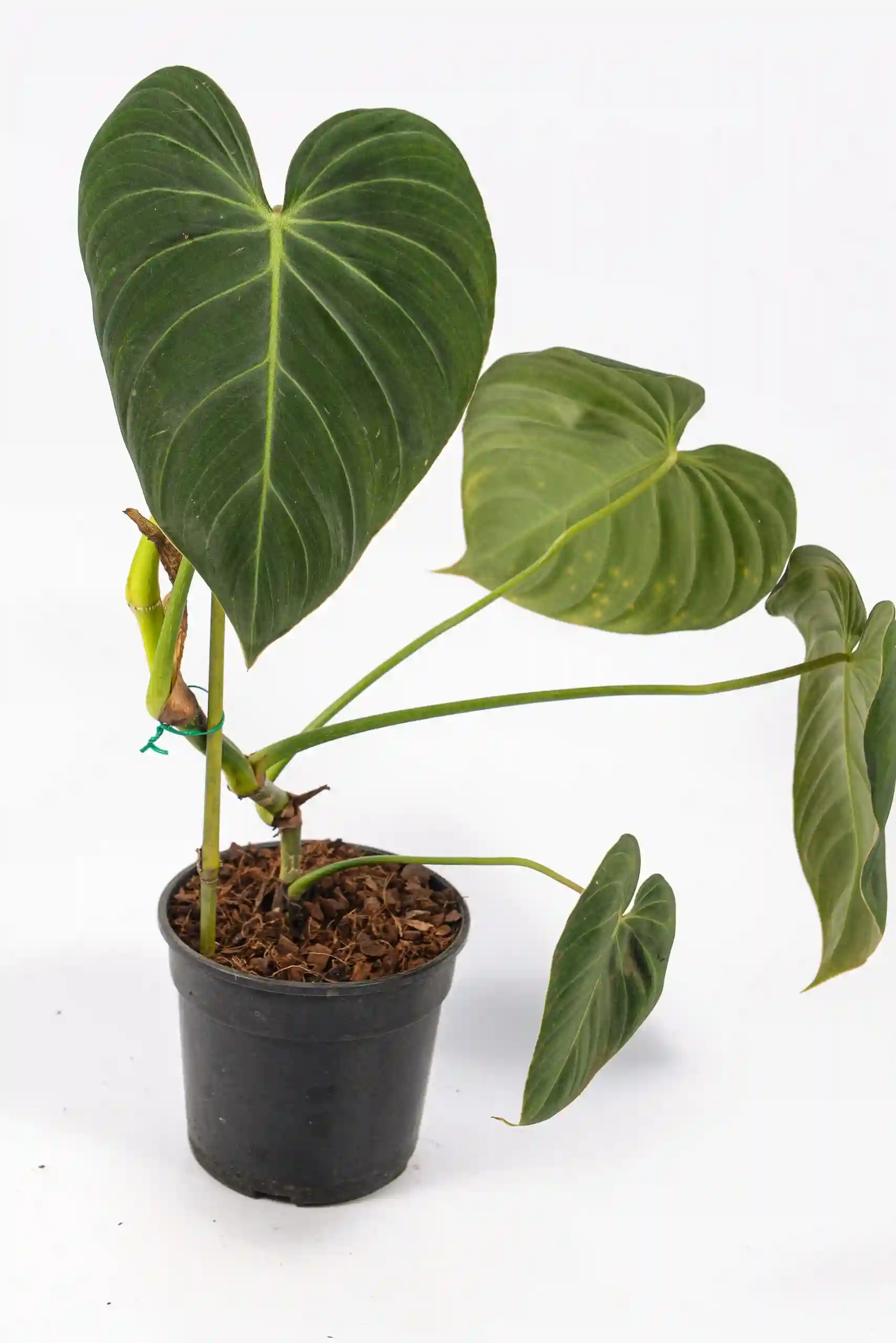
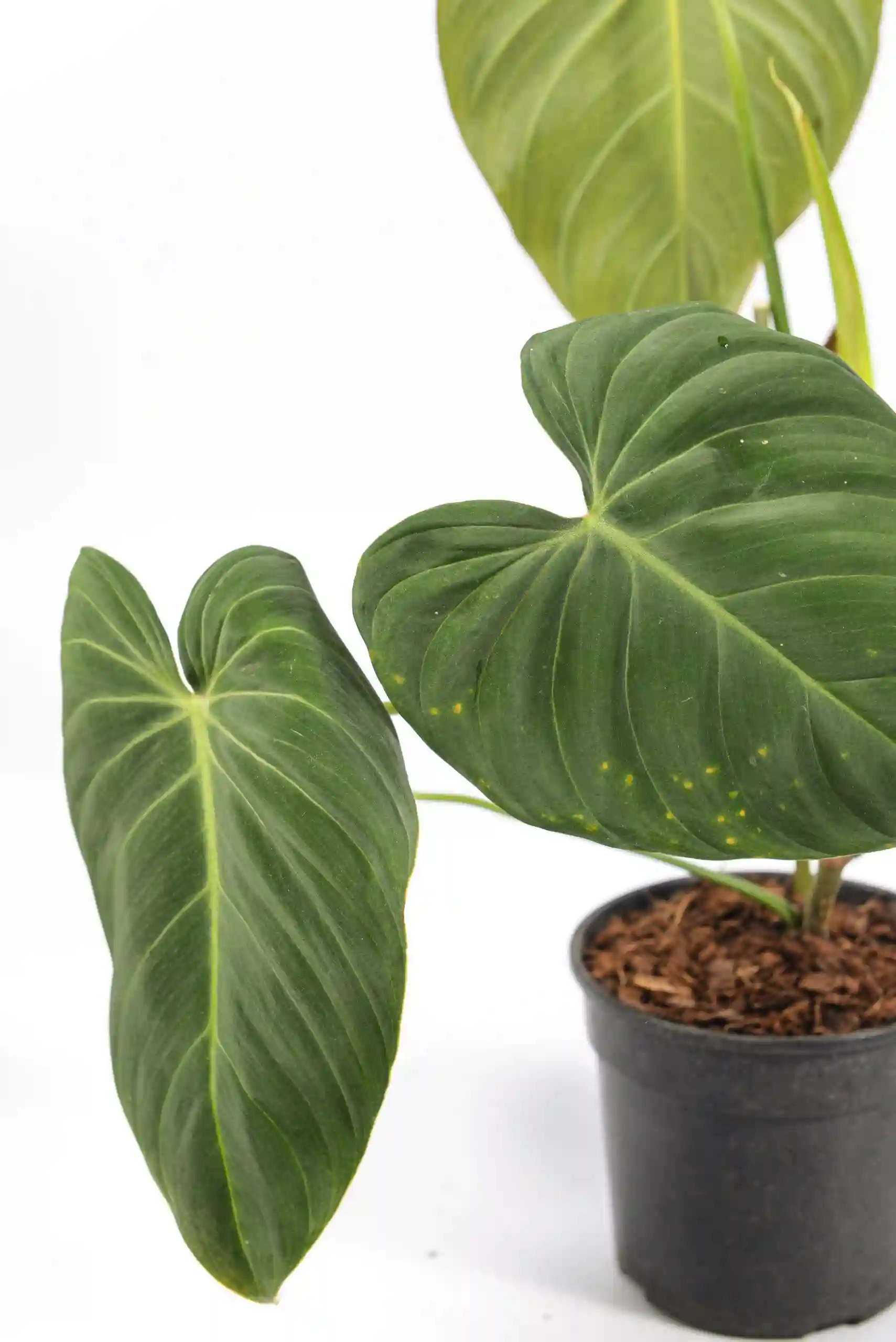
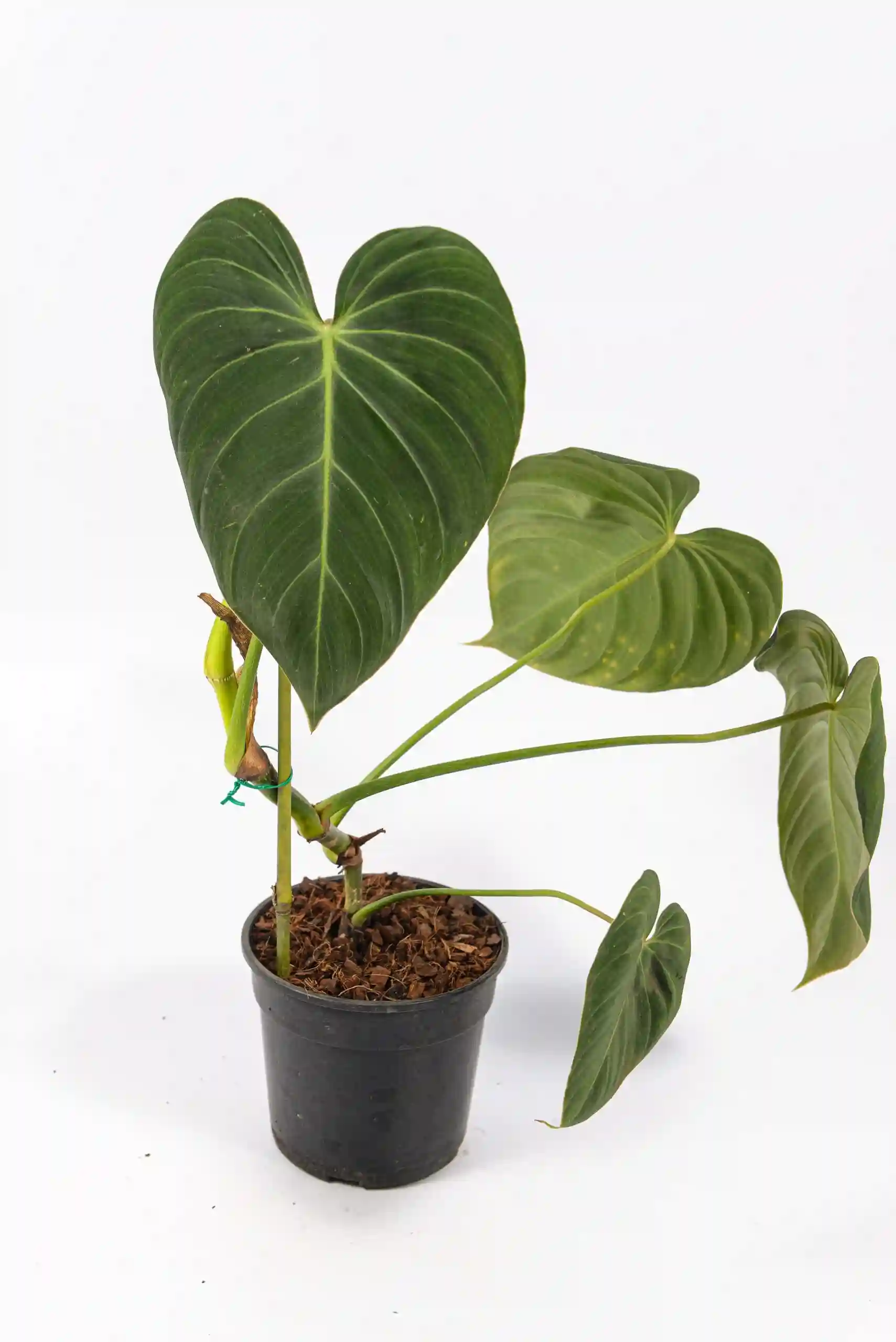
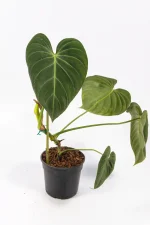
The Philodendron Glorious is a hybrid of two iconic species, combining velvety texture with long, elegant leaves. When given a moss pole, it climbs quickly and the foliage becomes impressively large — a must for anyone wanting a statement Philodendron without the fuss.
These plants are in a 14cm pot.

Only 2 left in stock

Add to Cart
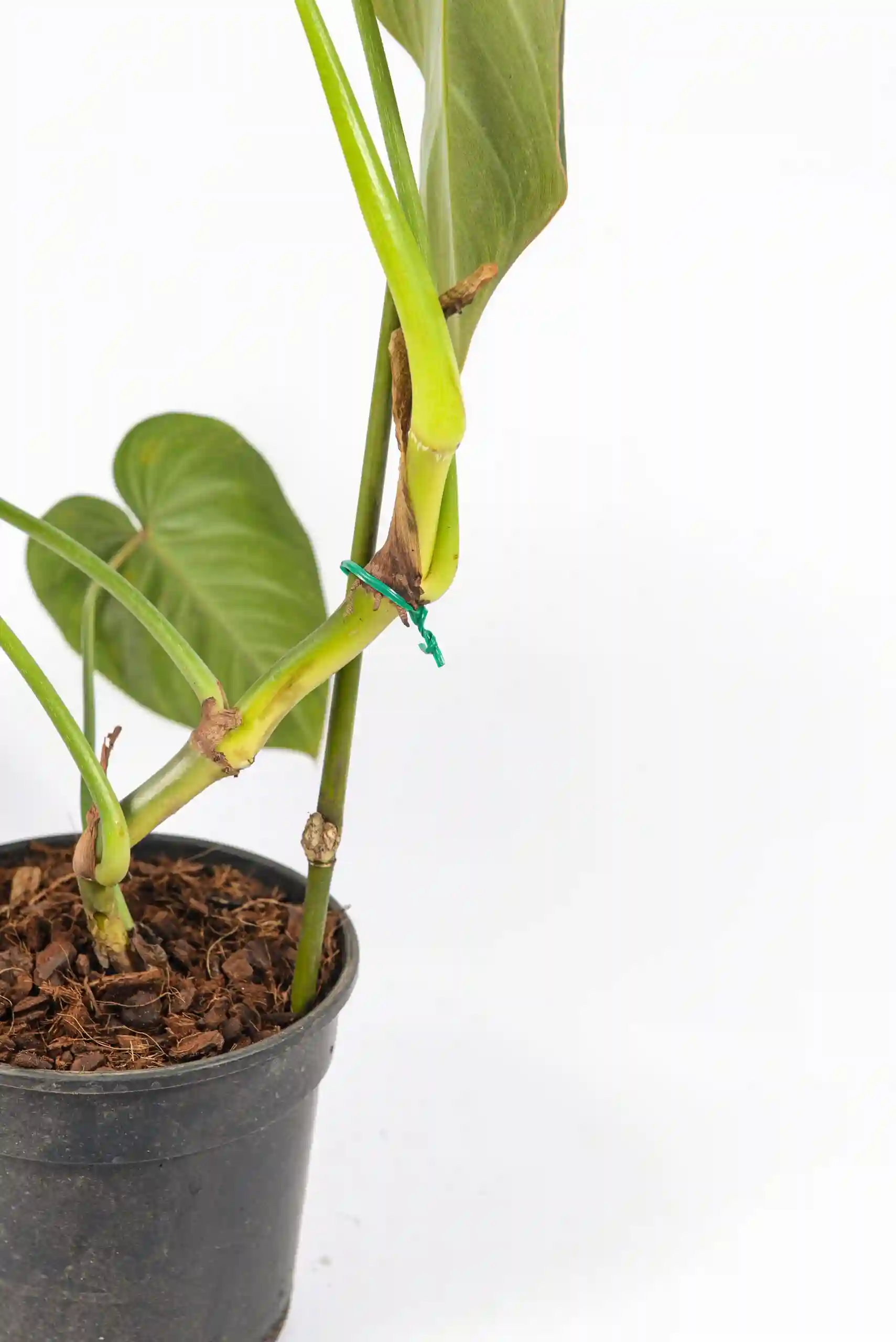
Philodendron Glorious in a pot with velvety green leaves and pale veins.
Philodendron Glorious
R450.00
Only 2 items left in stock!
Philodendron Glorious in a pot with velvety green leaves and pale veins.
Philodendron Glorious
R450.00
Questions? Send it to us!
Name

Commonly known as: Philodendron Glorious

Botanical name: Philodendron gloriosum × melanochrysum

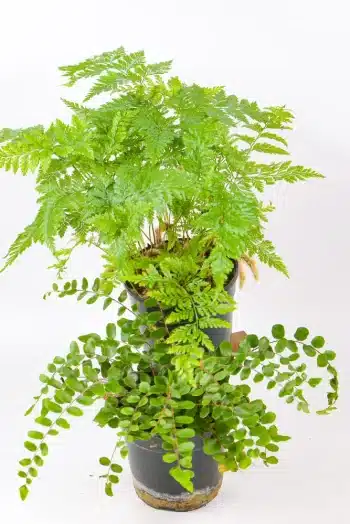
The Adiantum pedatum, or Northern Maidenhair Fern, brings effortless grace wherever it grows. Its fan-shaped fronds form elegant layers that sway gently with the slightest breeze. Despite its delicate look, this fern is surprisingly resilient when kept moist and shaded — making it a favourite for softening corners, bathrooms, or bright but indirect patios.

Philodendron Glorious Care Guide

Water logo

Watering – How often should I water it?

Water when the top 3–4 cm of soil feels dry. Keep the mix lightly moist but never soggy. During warm weather, you may water more often; in winter, reduce the schedule slightly. Always let excess water drain away to protect the velvety foliage from stress.

Light logo

☀️ Light – What light does a Philodendron Glorious need?

Bright, indirect light works best. Too much direct sun may fade the velvety texture, while dim corners lead to smaller leaves and stretched growth. A bright room with filtered light gives the plant everything it needs to climb strongly.

Humidity logo

Humidity – Does the Glorious need higher humidity?

Yes — moderate to high humidity (50–70%) keeps the leaves lush and prevents crisping. A humid room, grouped plants, or occasional misting helps maintain that soft, plush leaf finish.

Soil Logo

Soil – What mix should I use for a Glorious?

Use a loose, airy mix for strong root growth:

This gives the roots moisture without suffocating them.

Fertilizing logo

Feeding – How often should I fertilise?

Feed every 4–6 weeks in spring and summer with our Organic Fertiliser.  For stronger climbing growth, mix in a small amount of Controlled Release Fertiliser at the start of the season.

Repotting logi

Repotting – When should I repot it?

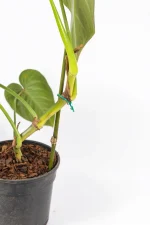
Repot every 12–18 months, moving only one pot size up. Refresh the soil and make sure the new pot allows room for a moss pole. For climbing, tie the plant gently to a pole so the aerial roots can attach and trigger larger leaves.

Pest image

Pests – What pests should I watch for?

Watch for mealybugs, aphids, or spider mites on the undersides of leaves. If needed, wipe down foliage and treat with an insecticidal spray. Good airflow and consistent care prevent most issues.

Temerature image

Temperature – What is the ideal temperature range?

The Glorious thrives between 18 °C and 28 °C. Avoid cold drafts, winter windowsills, or sudden temperature changes.

Q: Why are the leaves smaller than expected?
Small leaves are usually due to lack of support. Add a moss pole and give it better light — size increases quickly after that.

Q: Is this plant rare?
It’s a sought-after hybrid, but easier to care for than many velvety Philodendrons.

Q: Can it trail instead of climb?
It can, but leaf size will stay small. Climbing is where the hybrid shows its full potential.

Q: Is it pet-friendly?
No — like most aroids, Philodendrons are toxic if eaten.

Be sure to visit and follow us Facebook and Instagram