





Sale!

Philodendron Billietiae

(1 Reviews)

Original price was: R550.00.Current price is: R450.00.

-18%

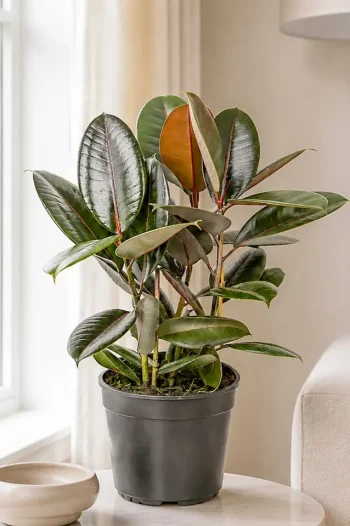
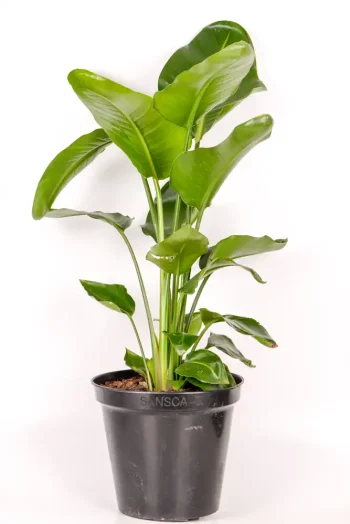
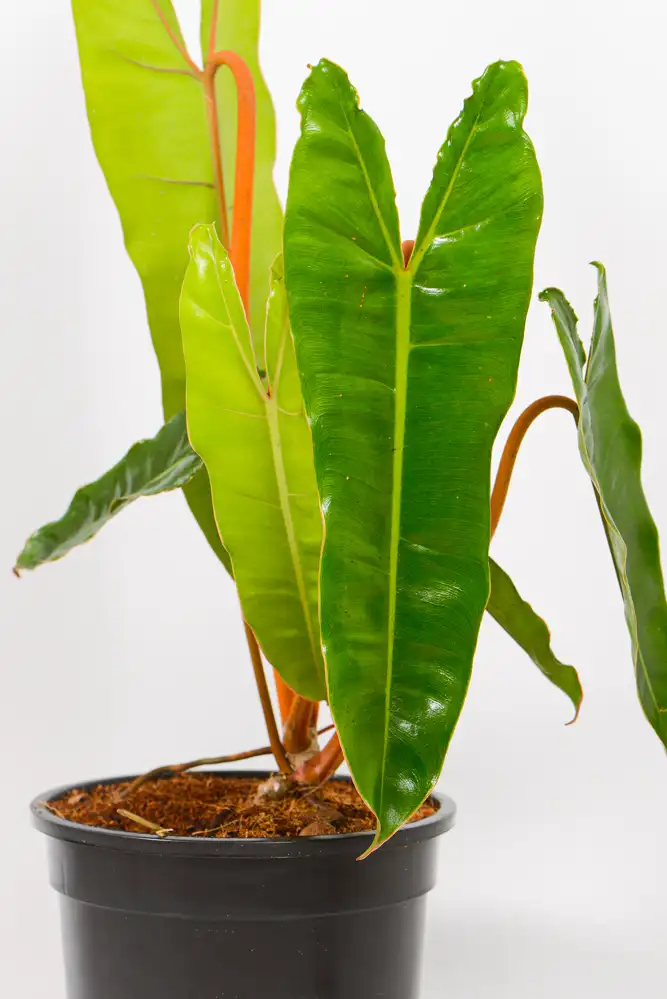
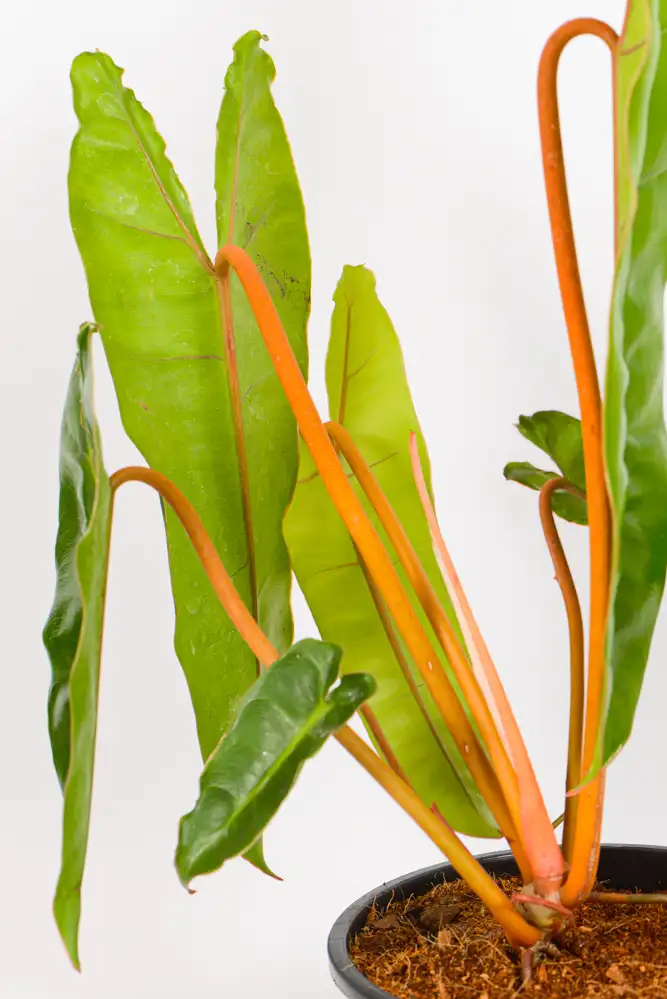
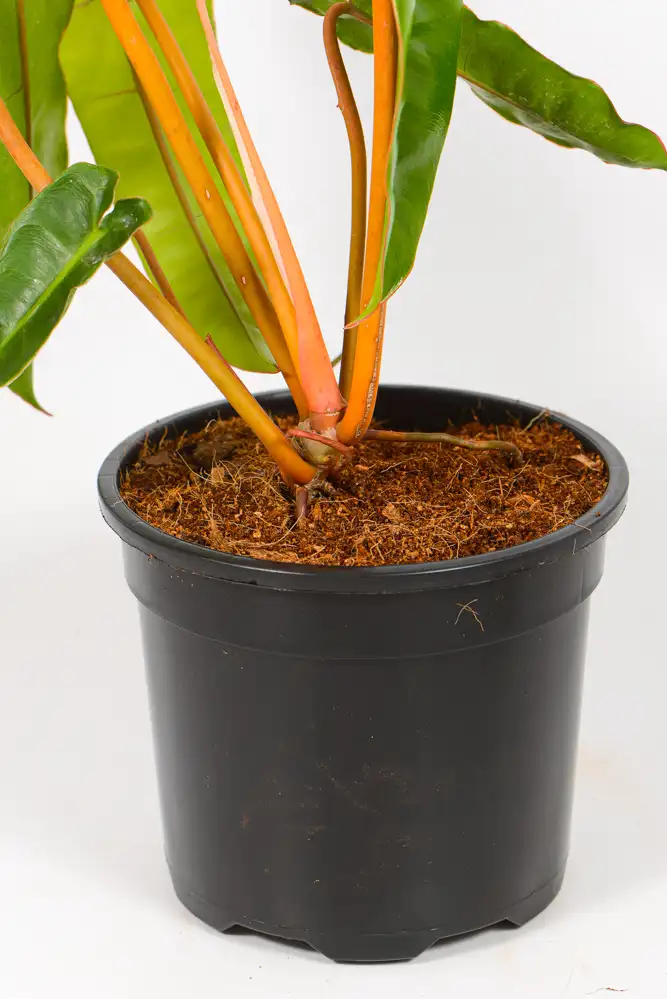
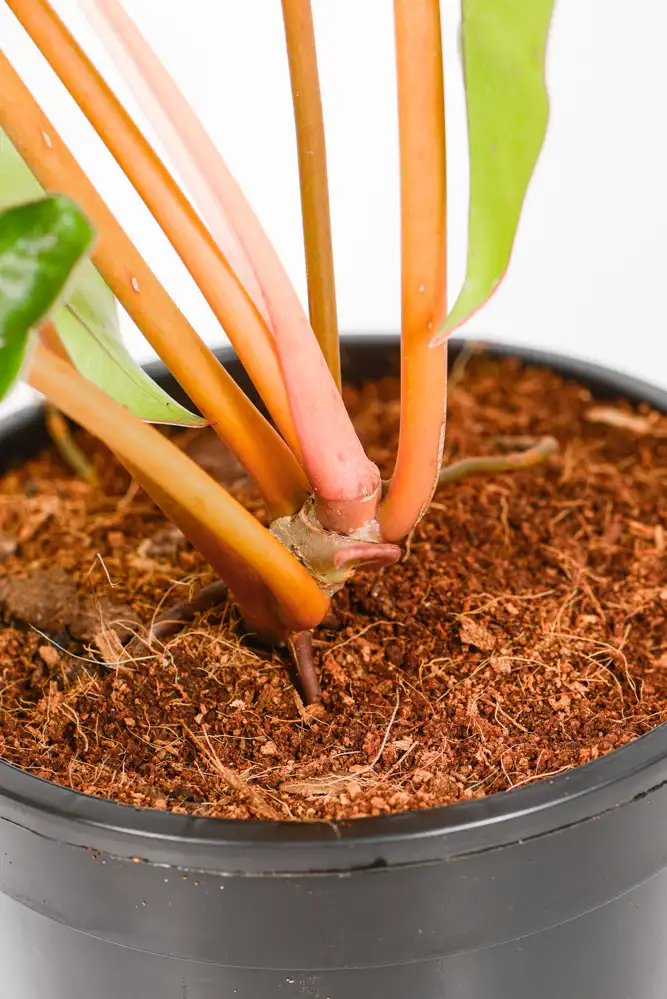
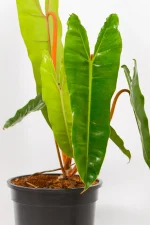
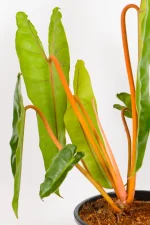
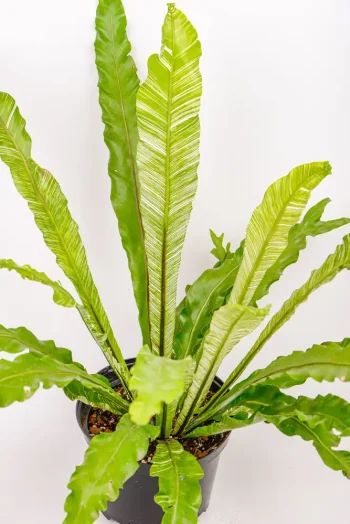
Philodendron Billietiae is a rare collector aroid known for its long, narrow leaves and vivid orange petioles. Supplied in a black 16.5cm pot, it offers architectural growth and strong contrast. It prefers bright, indirect light and a well-draining chunky mix. A standout plant for serious indoor collectors.

Only 2 left in stock

Add to Cart
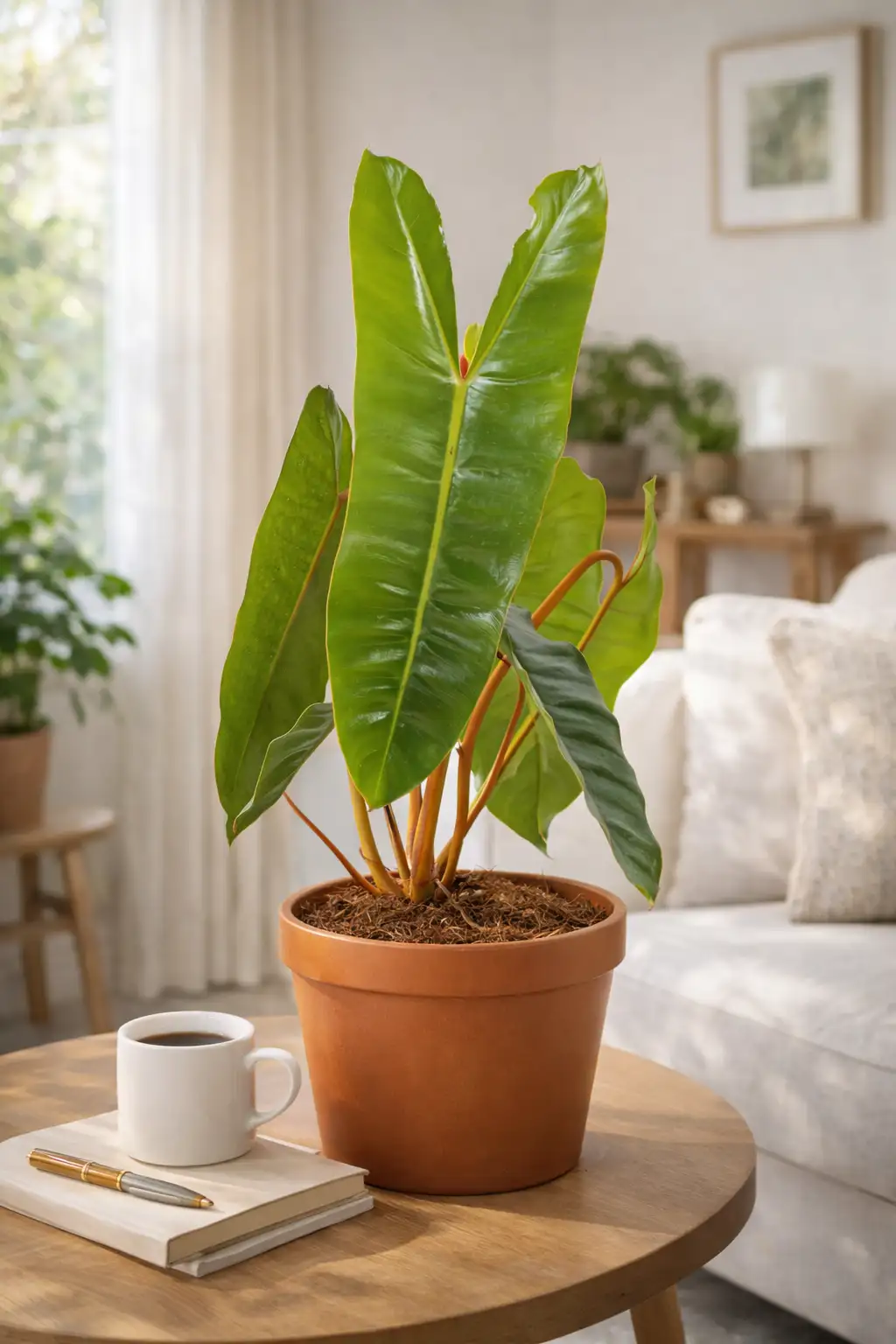
Philodendron Billietiae on woodtable in lounge
Philodendron Billietiae
R550.00 Original price was: R550.00.R450.00Current price is: R450.00.
Only 2 items left in stock!
Philodendron Billietiae on woodtable in lounge
Philodendron Billietiae
R550.00 Original price was: R550.00.R450.00Current price is: R450.00.
Questions? Send it to us!
Name

Commonly known as: Philodendron Billietiae

Botanical name: Philodendron Billietiae

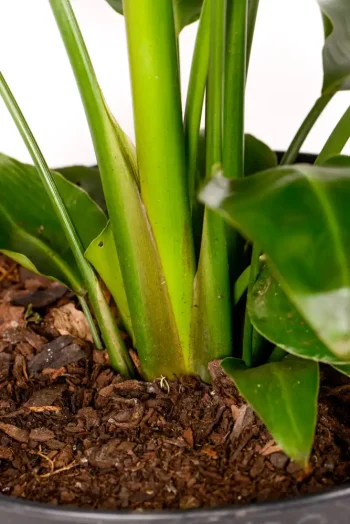
Philodendron billietiae stands out immediately because of its shape and colour. The long, narrow leaves stretch outward on vivid orange petioles, giving the plant a strong architectural look. The contrast between deep green foliage and bright stems creates impact without looking busy.

This species grows upright and deliberate. As each new leaf emerges, it typically increases in length, gradually exaggerating the plant’s elongated form. In a 16.5cm pot, these plants are already established and beginning to show their characteristic proportions.

Good light keeps the stems bold and encourages proper leaf development. Stable watering supports firm growth and clean foliage. When positioned correctly, the plant develops with confidence and structure rather than soft, sprawling growth.

Philodendron billietiae does not blend into the background. It adds height, line, and definition to a collection. With consistent care and a breathable mix, it continues to size up steadily while maintaining its distinct silhouette.

Philodendron Billietiae Care Guide

Water logo

Watering – How often should it be watered?

Water when the top 3–5cm of soil has dried out but it’s always best to keep the mix evenly moist but never saturated. Proper drainage is essential to protect the root system.

Light logo

Light – What light does Philodendron Billietiae need?

Bright, indirect light is ideal, because lood light encourages longer leaves and stronger orange colouring in the petioles. Avoid harsh direct sun, which can scorch foliage.

Humidity logo

Humidity – Does it need extra humidity?

Average indoor humidity is acceptable, although moderate humidity supports larger leaf development and smoother growth.

Soil Logo

Soil – What soil works best?

Use a chunky, airy mix that supports strong root health. Aroid Mix works particularly well because it maintains airflow while retaining balanced moisture. Alternatively, use Indoor Potting Soil and improve structure with Perlite and Bark Chips.

Fertilizing logo

Feeding – How should it be fertilised?

Feed during spring and summer with Grobest Organic Fertiliser every 4–6 weeks. For stronger growth during peak season, Novatec Soluble Fertiliser can be used occasionally at reduced strength.

Repotting logi

Repotting – When should it be repotted?

Repot once roots begin filling the pot, typically every 12–18 months but only move up one size only. When repotting, incorporate TerraPlus Natura N and Controlled Release Fertiliser into fresh mix.

Pest image

Pests – What pests should I watch for?

Monitor for thrips, spider mites, and mealybugs. Rare plants should be checked regularly as early treatment with an insecticidal spray prevents spread.

Temerature image

Temperature – What temperature suits it best?

Philodendron billietiae grows best between 18°C and 28°C. Avoid temperatures below 12°C and protect it from cold drafts.

FAQ’s

Q: Why is Philodendron billietiae considered rare?
Yes, is less widely produced and has a distinct growth form that appeals strongly to collectors.

Q: Will the orange stems fade?
In most cases they won’t fade. In good light, the orange petioles remain vibrant. Low light can dull their intensity.

Q: Does it climb?
Yes. As it matures, it benefits from support to maintain upright growth.

Q: Is it pet-safe?
No. Philodendron billietiae is toxic if ingested.

Be sure to visit and follow us Facebook and Instagram

Customer Reviews

Corne Du Plooy
Rating: 5/5
No Review
Tue Apr 28 2026 11:19:13 GMT+0000 (Coordinated Universal Time)